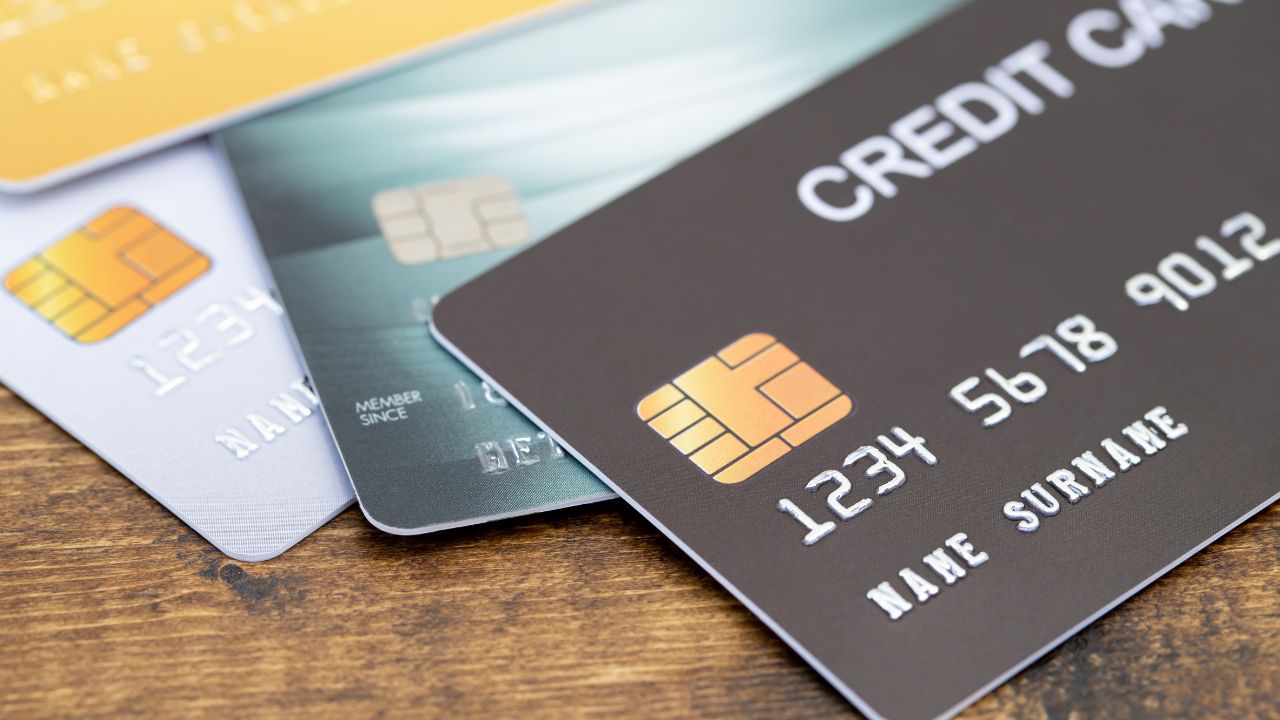
You don’t have a credit card, your debit card is declined on foreign sites, or you simply don’t want your main card stored at a dozen services. The usual suggestions are a virtual card, PayPal or gift cards, and each one gets recommended as if it always works. None of them does. Here is how each one pays a subscription, and where each one wins.
Quick answer
– PayPal wins when the service accepts it: the merchant never sees your card, and you can stop payments from one list.
– Gift cards win for app stores and single services when you want a fixed budget and nothing stored on file.
– Virtual cards win for the widest acceptance and per-service control, but prepaid ones are declined by some merchants.
– Most people end up using two of the three.
What a subscription merchant needs from you
Before comparing options, it helps to know what the merchant is checking. A subscription payment method must do four things:
1. Support recurring charges. The merchant stores a credential (a card or a PayPal billing agreement) and charges it later without asking you.
2. Pass verification. For cards, that can mean a small verification charge, an address check (AVS) and a 3D Secure step at signup.
3. Match the service’s country rules. Services price and license by country, and many check that the payment method fits the country of your account.
4. Be an accepted type. Merchants can choose to refuse prepaid cards, some card networks, or PayPal entirely.
Each option handles these differently.
Option 1: virtual cards
A virtual card is a real card number with an expiry date and CVV, but no plastic. It may come from your bank, from a fintech account that issues several cards, or from a prepaid provider.
How it pays. The merchant stores the card and charges it like any other card. The first six to eight digits, the BIN, tell the merchant who issued it, which country it’s from, and whether it’s credit, debit or prepaid.
Where it wins. Cards are accepted almost everywhere subscriptions are sold. You can give each service its own card, rename it, freeze it, and see its charges separately. A prepaid card can also cap what a service can take.
Where it fails. Some merchants and some billing settings decline prepaid BINs. A prepaid card with too little balance on the renewal date is simply declined. And a card doesn’t change a service’s country rules.
Option 2: PayPal
How it pays. When you choose PayPal at checkout, you approve a billing agreement or automatic payment. The merchant charges PayPal, and PayPal charges your funding source: your PayPal balance, a linked bank account or a linked card.
Where it wins. The merchant never sees your card number. All the merchants allowed to bill you appear in one list in your PayPal settings, where you can stop them. And PayPal has its own dispute process on top of your card’s.
Where it fails. Many subscription services don’t offer PayPal at all, or only in some countries. PayPal’s availability and features also vary by country, and you still need a funding source that PayPal accepts. Stopping an automatic payment in PayPal doesn’t cancel your subscription with the merchant; cancel there too.
Option 3: gift cards
How it pays. A gift card adds stored value to an account at one company: an app store, a games platform or a single service. Your subscription draws down that balance. When it runs out, the subscription either stops or falls back to any other payment method on file.
Where it wins. Nothing reusable is stored, and the budget is fixed by what you loaded. For app-store subscriptions, a store gift card is often the simplest path for people without a card.
Where it fails. Value is locked to one company and usually one country, so buy the card for the country your account is registered in, from the company or an authorized retailer. Balances are rarely refundable. Discounted gift cards from unofficial resellers may be stolen and can be revoked. And remember the scam rule: anyone who asks you to pay a bill or a “fee” with gift cards is a scammer.
Side-by-side comparison
| Criterion | Virtual card | PayPal | Gift card |
|---|---|---|---|
| Acceptance at subscription merchants | Widest; prepaid declined by some | Only where the merchant offers it | Only at the issuing company |
| Merchant sees your card number | Yes (the virtual one) | No | No |
| Stopping future charges | Cancel with merchant; freeze card as backstop | Cancel with merchant; stop the automatic payment | Cancel with merchant; the balance runs out |
| Spending cap | Prepaid balance or card limit | Limited, depends on funding source | Exactly the loaded value |
| Disputes and refunds | Through the card issuer, varies by provider | PayPal’s process, plus the funding card’s | Usually none |
| Country rules | The service’s rules apply | PayPal’s and the service’s rules apply | Card must match the account’s country |
| What you need first | A bank, fintech or prepaid provider | A PayPal account and a funding source | Cash or a payment method at a retailer |
| Typical costs | Issue or top-up fees for prepaid; often free from banks | Usually free for buyers; FX costs may apply | Face value; no ongoing fees |
Which one wins in your situation
- You have a bank card, but don’t want it stored everywhere: use PayPal where it’s offered and your bank’s virtual cards where it isn’t.
- You have no bank card that works online: a prepaid virtual card covers the most services; gift cards cover app stores.
- You want a hard monthly budget for one app-store subscription: a store gift card.
- You pay for work tools that need a card on file: a dedicated virtual card per tool or group.
- You’re often refused because your card is prepaid: try PayPal funded from another source, or a bank-issued card, for that merchant.
Choosing in five minutes
1. List your subscriptions and note which ones offer PayPal at checkout.
2. Move PayPal-eligible ones there if you want the merchant not to see a card.
3. Put app-store subscriptions on a store gift card, if a fixed budget suits you.
4. Put the rest on one or more virtual cards.
5. Write down where each subscription is billed, so you know where to cancel it later.
A worked example: prepaid virtual cards funded with crypto
If you earn or hold stablecoins and don’t have a card that works online, a crypto-funded prepaid card is one route. VCCBuy’s service-by-service guides cover how its cards work with specific platforms. The cards are prepaid virtual Visa and Mastercard cards that you top up with USDT (on TRC20, BEP20, ERC20, Polygon or Solana) or with USDC, ETH and several other coins; Bitcoin isn’t accepted, so swap it to a stablecoin first. The Visa Classic, aimed at subscriptions, has a $9.99 issue fee, a 3% top-up fee, a $5,000 monthly limit, no monthly fee and no credit check. The site also has a free BIN checker, so you can see how a merchant will read a card before you use it.
The honest limits: VCCBuy is not a bank, its cards are online only, deposits are checked before they are credited, and some merchants and settings decline prepaid cards. Every service runs its own checks, so a VCCBuy card works where the service accepts prepaid Visa or Mastercard, and not otherwise.
FAQ
Can I pay for a streaming service with a gift card? Often, yes. Several streaming services and app stores sell gift cards in some countries. Check that the gift card is for the same country as your account, and buy it from the service itself or an authorized retailer.
Does PayPal let a merchant charge me forever? Only until you stop it. An automatic payment continues until you cancel the subscription with the merchant or remove the merchant from PayPal’s automatic payments list. Do both, and save the confirmation.
Will a prepaid virtual card work for every subscription? No. Some merchants decline prepaid cards entirely, and some only accept them in certain billing settings. Check the service’s payment help page first, and make sure the card’s balance covers the plan price plus a small buffer before the first charge.
Conclusion
PayPal, gift cards and virtual cards each solve a different part of the subscription problem: privacy, a fixed budget and acceptance. Pick by what each service accepts and what you want to control, and keep a record of where every subscription is billed. If you’re starting from scratch, list your subscriptions first, then match each one to the option that fits.
About the author: [Author name] is a payments and fintech writer at VCCBuy (https://vccbuy.net/), where they cover virtual cards, card networks and spending stablecoins online. They write side-by-side comparisons of everyday payment methods, including where each one falls short.
Disclosure: the author writes for VCCBuy, which is mentioned in this article.
Leave a Reply