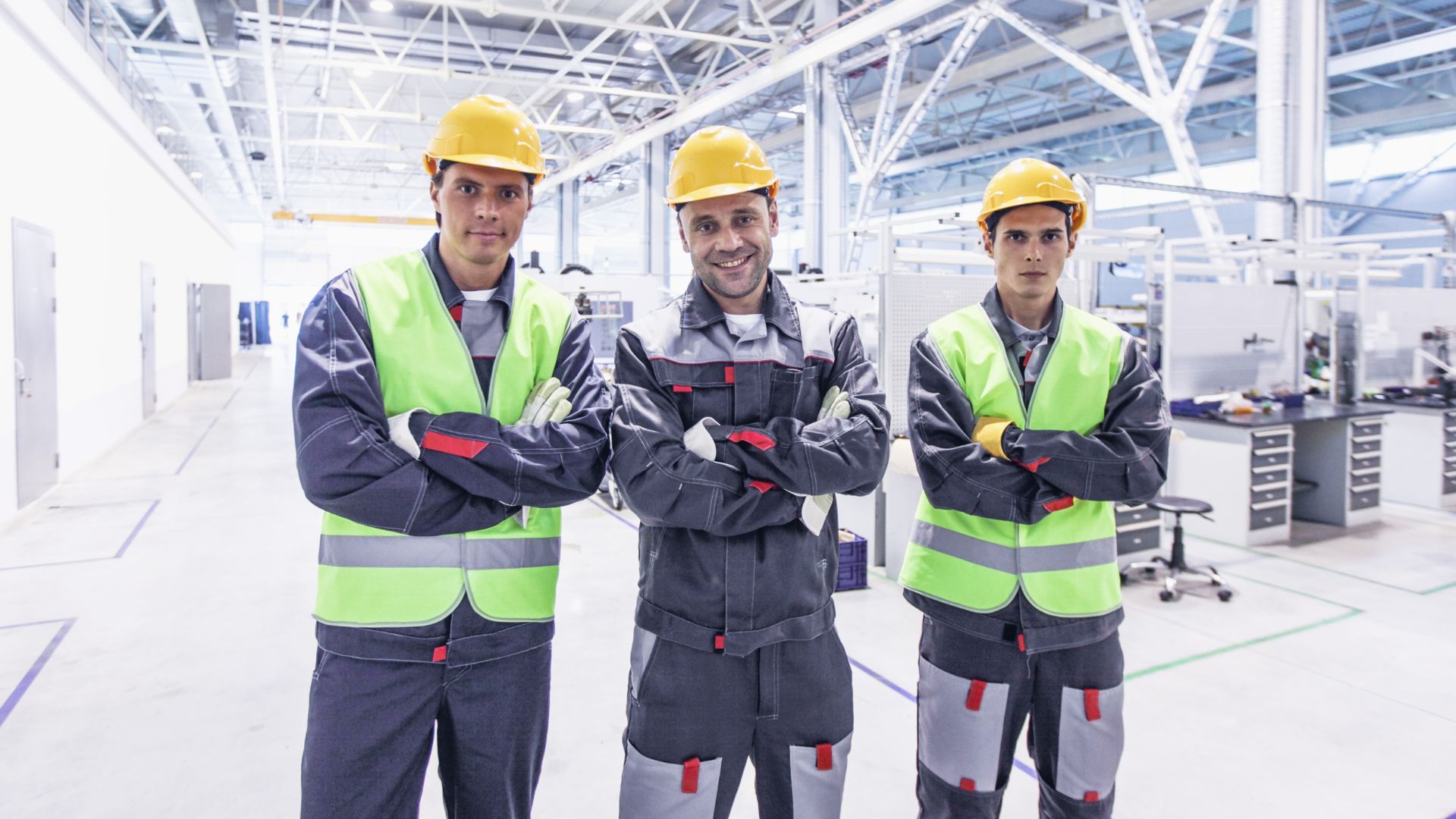
Western Australia continues to expand its industrial sector through mining, renewable energy, logistics, manufacturing, and resource processing projects. Modern industries require infrastructure systems that can support long-term growth, advanced technology, and changing operational demands. Future-ready industrial infrastructure services help businesses improve efficiency, safety, and sustainability across industrial operations.
Industrial infrastructure services in Western Australia support the development of reliable facilities designed for high performance and long-term durability. These services include engineering, construction, maintenance, automation, and infrastructure upgrades for industrial environments operating under demanding conditions.
Industrial sites across Western Australia often operate in remote locations with high temperatures, heavy equipment use, and continuous production schedules. Future-ready infrastructure systems are designed to handle these challenges while supporting modern operational standards.
Importance of Future-Ready Industrial Infrastructure
Industrial infrastructure forms the foundation of industrial operations. Processing plants, warehouses, pipelines, transport systems, energy facilities, and manufacturing plants all depend on reliable infrastructure for daily operations.
Future-ready infrastructure focuses on:
- Operational efficiency
- Advanced automation
- Energy performance
- Workplace safety
- Environmental compliance
- Long-term asset reliability
Industrial infrastructure services in Western Australia help industries modernize facilities to meet current and future operational requirements. Modern infrastructure systems improve productivity while reducing downtime and maintenance costs.
Advanced Industrial Infrastructure Solutions
Industrial infrastructure projects now involve advanced technologies and engineered systems designed for long-term industrial growth.
Smart Infrastructure Systems
Smart infrastructure uses sensors, automation, and digital monitoring systems to improve operational control. These systems collect real-time data from equipment and infrastructure assets.
Industrial operators use monitoring systems to track:
- Equipment performance
- Temperature levels
- Energy consumption
- Structural conditions
- Maintenance requirements
Real-time monitoring helps reduce unexpected equipment failures and improves maintenance planning.
Automation and Control Systems
Automation is becoming more common across industrial sectors in Western Australia. Automated systems improve operational accuracy and reduce manual labour requirements.
Automation solutions include robotic systems, automated conveyors, programmable logic controllers, and remote operating systems. These technologies improve productivity and workplace safety in hazardous environments.
Industrial infrastructure services in Western Australia often include automation upgrades for mining plants, manufacturing facilities, and logistics operations.
Sustainable Infrastructure Development
Industrial companies are investing in sustainable infrastructure solutions to improve environmental performance. Energy-efficient equipment, water recycling systems, and renewable energy integration help reduce environmental impact.
Many industrial facilities now use solar power systems, energy-efficient lighting, and automated energy management systems to lower operational costs.
Sustainable infrastructure also supports government environmental regulations and long-term industrial planning.
Industries Using Future-Ready Infrastructure Services
Several major industries in Western Australia rely on modern infrastructure systems to maintain operational performance.
Mining and Mineral Processing
Western Australia is one of the world’s largest mining regions. Mining companies require advanced infrastructure systems for extraction, material handling, processing, and transportation.
Future-ready mining infrastructure includes automated equipment systems, remote monitoring technology, and predictive maintenance solutions.
Oil and Gas Industry
Oil and gas operations depend on high-performance infrastructure systems capable of operating under strict safety and environmental standards.
Industrial infrastructure services in Western Australia support gas processing plants, offshore facilities, storage systems, and mechanical infrastructure upgrades.
Manufacturing and Industrial Processing
Manufacturing facilities require modern production systems that improve workflow efficiency and production output. Smart infrastructure and automation systems support continuous manufacturing operations.
Industrial facilities also invest in infrastructure upgrades to improve product quality and reduce operational delays.
Renewable Energy Projects
Western Australia continues to increase investment in renewable energy infrastructure. Wind farms, battery storage systems, and solar energy projects require advanced electrical systems and civil construction services.
Future-ready infrastructure supports clean energy generation and long-term energy sustainability.
Benefits of Modern Industrial Infrastructure Services
Future-ready infrastructure provides several operational and financial benefits for industrial businesses.
Reliable infrastructure systems improve equipment uptime and reduce operational interruptions. Predictive maintenance technology helps identify problems before major failures occur.
Industrial infrastructure services in Western Australia also improve workplace safety through automated systems, monitoring technology, and improved engineering design.
Energy-efficient infrastructure reduces electricity consumption and lowers operating expenses. Modern infrastructure systems also improve compliance with Australian environmental and workplace regulations.
Advanced project management tools help contractors improve scheduling accuracy and reduce construction delays.
Technology Driving Industrial Infrastructure Growth
Technology continues to shape industrial development across Western Australia.
Engineering teams now use digital design software to create accurate 3D infrastructure models before construction begins. These systems improve project planning and reduce design errors.
Artificial intelligence and data analysis tools help industrial operators improve maintenance planning and operational efficiency.
Remote monitoring technology is especially valuable in remote mining regions where equipment inspection can be difficult and expensive.
Industrial infrastructure services in Western Australia increasingly include cloud-based monitoring systems and digital asset management solutions.
Challenges in Industrial Infrastructure Development
Industrial projects in Western Australia often face operational and environmental challenges.
Remote locations may create transportation and workforce management difficulties. Harsh weather conditions can also affect construction schedules and equipment performance.
Rapid technological change requires ongoing infrastructure upgrades and workforce training. Companies must invest in modern systems to remain competitive and maintain operational efficiency.
Large industrial projects also require strong coordination between engineers, contractors, suppliers, and maintenance teams.
Future Trends in Industrial Infrastructure
Industrial infrastructure in Western Australia is expected to continue evolving over the next decade.
Several trends are shaping the future of industrial development:
- Increased automation
- Renewable energy integration
- Smart monitoring systems
- Predictive maintenance technology
- Sustainable construction methods
- Digital engineering solutions
Industrial infrastructure services in Western Australia will continue supporting industrial expansion, technology integration, and long-term economic development.
FAQ
What are future-ready industrial infrastructure services?
These services involve advanced engineering, construction, automation, and maintenance solutions designed to support modern industrial operations.
Why is automation important in industrial infrastructure?
Automation improves operational efficiency, workplace safety, production accuracy, and equipment monitoring.
Which industries use industrial infrastructure services in Western Australia?
Mining, oil and gas, manufacturing, logistics, renewable energy, and industrial processing sectors use these services.
How does smart infrastructure improve industrial operations?
Smart infrastructure uses sensors and digital systems to monitor equipment performance, reduce downtime, and improve maintenance planning.
What role does sustainability play in industrial infrastructure?
Sustainable infrastructure reduces energy use, improves environmental performance, and supports long-term industrial growth.
Conclusion
Modern industries require infrastructure systems capable of supporting long-term operational growth, advanced technology, and changing industrial demands. Future-ready infrastructure improves productivity, safety, sustainability, and equipment reliability across industrial sectors.
Industrial infrastructure services in Western Australia help businesses modernize facilities through advanced engineering, automation, maintenance, and sustainable construction solutions. As industrial development continues to grow, future-ready infrastructure will remain essential for supporting efficient and reliable operations across the region.
Leave a Reply