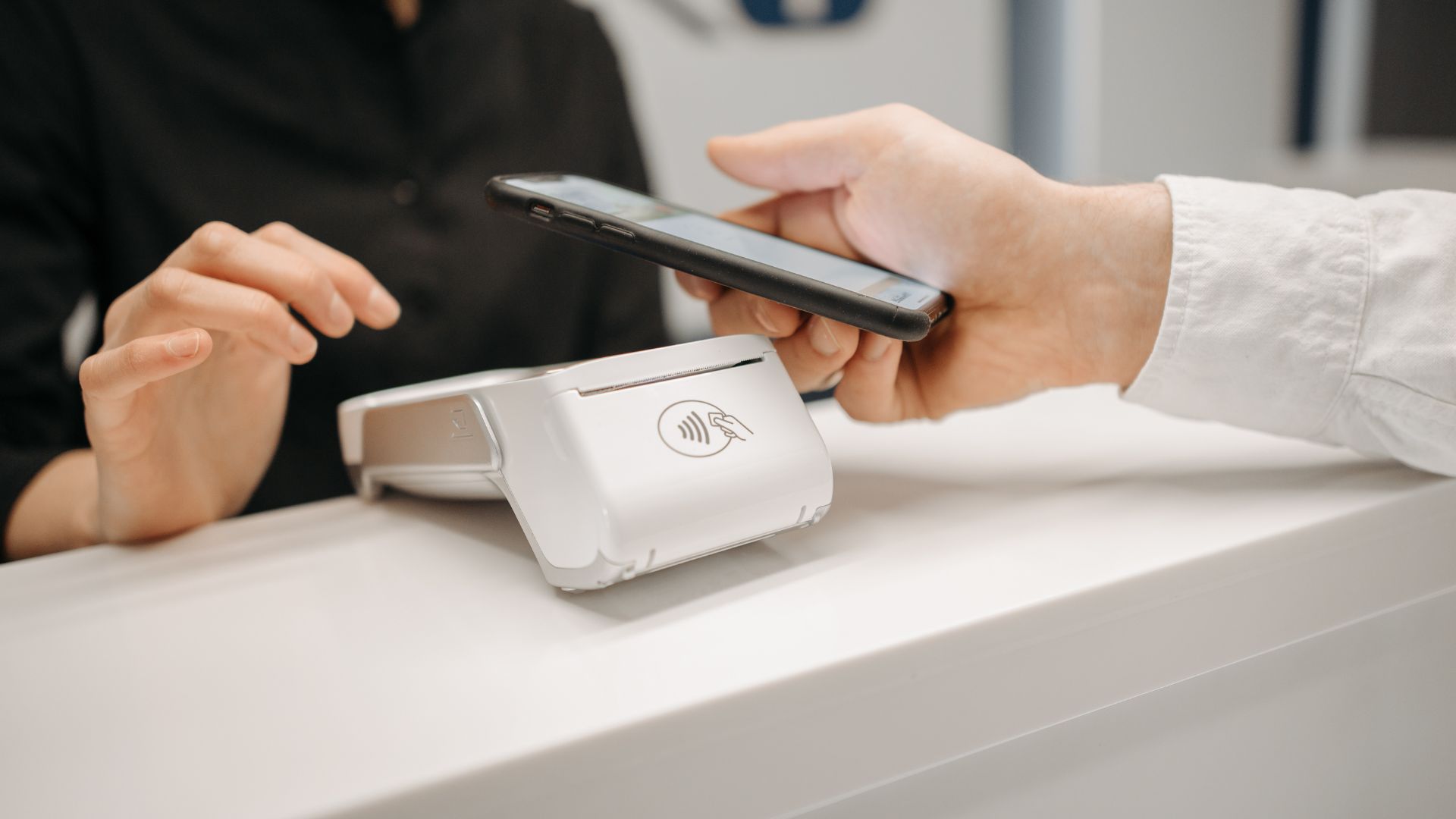
You should consider virtual cards to fund crypto trades in France when you want faster deposits, tighter spending controls, and less exposure of your main bank details. They use tokenized or single‑use numbers, link like a debit card, and let you revoke or limit spend instantly. Expect KYC, possible merchant or AML blocks, and fees or FX margins depending on provider. Keep your documents handy for verification, and continue to learn about provider differences and risks.
Quick Answer: Should French Crypto Traders Use Virtual Cards?
Wondering if virtual cards are right for you as a French crypto trader? You’ll likely find them useful: virtual cards offer crypto benefits like faster payments, reduced exposure of your primary account, and easier expense tracking.
You can generate single-use numbers to limit fraud and set tight spending controls that match trading rhythms. Still, weigh privacy concerns — some issuers log transactions and share data with partners, and regulatory checks may link cards to your identity.
If you trade casually, a virtual card adds convenience and basic protection; if you trade professionally or need strong anonymity, it’s only one tool among many. Compare issuers, read privacy policies, and use complementary safeguards like separate accounts and cautious KYC disclosure.
How Virtual Cards Work With Crypto Exchanges and Brokers
Link a virtual card to your exchange or broker like a regular debit card, and you’ll handle deposits and payments with a temporary, tokenized number instead of exposing your main account details.
You’ll use the same verification flow most platforms require, but tokenization and crypto integration keep your real bank info concealed. Expect quick authorization responses and limits set by the card issuer or platform.
- Create or import a virtual card in your banking app tied to your account.
- Add card details to the exchange/broker during payment setup.
- Confirm micro-deposit or 3D Secure challenge for identity verification.
- Monitor and revoke the virtual card anytime for instant card security control.
This approach limits exposure and simplifies funding while preserving operational transparency.
Locking Down Our Card After One Bad Checkout
It took exactly one skimmed card on a dodgy site for us to rethink our habits. A security-minded friend told us the simplest defense is paying with a throwaway card on anything you don’t fully trust. He recommended the Qwikvcc reloadable virtual card, and it’s now standard practice for us. If a number ever leaks, deleting it takes a second—our real credit card and bank stay completely out of reach. For a VCC you can stand up in under a minute, the security payoff is enormous.
Why French Traders Use Virtual Cards: Speed, Privacy, Security
French traders favor virtual cards because they speed up deposits, keep your bank details private, and give you immediate control if something looks off.
You’ll notice speed benefits in faster funding and improved transaction efficiency when markets move; that’s crucial for timely trades.
Privacy advantages mean your actual account number isn’t shared, reducing exposure and aligning with user experiences that value discretion.
Strong security features like single-use numbers and instant freezes lower fraud risk and let you act fast.
Market trends show growing adoption as regulatory impacts push transparency while demanding safer payment rails, so you get compliant options.
Technology integration with wallets and exchanges streamlines flows, letting you focus on strategy rather than payment hassles.
Which French Banks and Fintechs Offer Virtual Cards (How They Differ)
When you compare major French banks to fintechs for virtual cards, you’ll notice banks often offer broader services while fintechs focus on speed and flexibility.
Check fees and monthly or per-transaction limits closely, since they vary a lot and affect trading flows.
I’ll outline key providers and contrast their pricing and limit structures so you can pick what fits your trading style.
Major Banks vs Fintechs
Although major banks and fintechs both issue virtual cards, they serve different needs: banks like BNP Paribas, Société Générale and Crédit Agricole typically offer virtual cards as extensions of full-service accounts with stronger regulatory backing and branch support, while fintechs such as Revolut, N26, and Qonto prioritize speed, flexible limits, instant issuance, and developer-friendly features that appeal to active crypto traders.
You’ll weigh banking innovations against fintech advantages when choosing. Consider:
- Security and compliance: banks lean on legacy compliance frameworks and in-branch verification.
- Speed and onboarding: fintechs give near-instant issuance and API access.
- Customization: fintechs let you create disposable cards and set merchant categories.
- Support model: banks offer in-person help; fintechs rely on chat and online docs.
Pick the model matching your trading rhythm and trust preferences.
Fees And Limits
Because fees and limits shape how you’ll actually use virtual cards, compare pricing tiers and transaction caps across banks and fintechs before committing.
You’ll see varying fee structures: some incumbents charge monthly maintenance plus per-transaction or cross-border fees, while fintechs often offer subscription tiers that bundle higher allowances and lower per-use costs.
Check which card networks trigger currency conversion fees for crypto exchanges.
Transaction limits differ too — daily, monthly, and per-transaction ceilings can restrict large buys or multiple trades; fintechs may raise limits with identity checks or premium plans.
Also confirm top-up fees, ATM withdrawal charges, and chargeback policies.
Match the provider’s fee structures and transaction limits to your trading frequency and typical trade size to avoid surprises.
Payment Limits and Top‑Ups: Single‑Use vs. Reloadable Cards
You’ll want to compare single‑use limits to understand how much you can spend per transaction without exposing larger balances.
Check reloadable options and how often you can top up — some cards allow instant reloads while others limit frequency or daily totals.
Those rules will shape your trading flow and risk management, so pick the model that matches how often and how much you move.
Single‑Use Limits
Single‑use virtual cards cap a single transaction or top‑up, so you’ll limit exposure to fraud and accidental overspending while trading.
You get single use benefits like tighter spending control and clearer risk management without changing your main account. Security features focus on one-off numbers, reducing reuse risk and improving fraud protection for exchanges and services.
Transaction speed stays fast since issuers generate cards instantly, which improves the overall user experience and convenience factor when you need a quick purchase.
- Faster issuance lowers wait times for trades.
- One-time numbers prevent repeated charge attempts.
- Limits force discipline, aiding budgeted trading.
- Minimal account linkage reduces long-term exposure.
Use single‑use limits when you want targeted, low‑risk payments.
Reloadable Top‑Up Options
Reloadable virtual cards let you add funds multiple times, so you can keep a steady payment method for frequent trading without creating new card details each time.
You’ll find reloadable options usually tied to your primary funding source—bank account, debit card, or e‑wallet—so topping up is straightforward and fast.
The main user benefits are continuity, fewer interruptions during trading, and the ability to manage a single card’s balance rather than juggling many single‑use cards.
You can set spending controls and alerts on reloadable cards to monitor trades and avoid overspending.
Check provider terms for fees and limits per top‑up, and confirm support for crypto merchants and KYC requirements in France to ensure smooth usage.
Reload Frequency Rules
Because reload rules affect how often and how much you can fund a card, it’s important to compare limits and top‑up windows between single‑use and reloadable options.
You’ll want to focus on reload frequency considerations and reload frequency limits to match trading pace and compliance needs. Single‑use cards prevent repeated top‑ups, so they suit one-off purchases and reduce exposure.
Reloadable cards let you add funds repeatedly but often impose daily, weekly, or monthly caps and mandatory cooldowns.
- Check daily and monthly reload frequency limits before choosing.
- Note minimum and maximum top‑up amounts per reload.
- Confirm cooldown periods between successive reloads.
- Verify identity requirements tied to higher reload limits.
Fees to Expect in France: Issuance, Reloads, FX, Transaction Costs
When you sign up for a virtual card in France, expect a handful of predictable fees: an issuance charge (often a small one‑time amount), reload or top‑up fees, foreign‑exchange margins on non‑EUR purchases, and per‑transaction or monthly account fees that vary by provider.
You’ll see issuance costs listed up front; compare providers because some waive them for higher-tier accounts. Reload fees can be fixed or percentage-based, and reload methods (bank transfer, card, or instant rails) affect cost and speed.
Watch transaction limits — daily and monthly caps can trigger extra fees or declines if you hit them. Foreign exchange spreads typically add 0.5–3% to non‑EUR spending; dynamic currency conversion may add more.
Check merchant and ATM fees too.
KYC/AML and Virtual Card Funding for Crypto Accounts
When you fund crypto accounts with virtual cards, platforms will usually require KYC documents like ID and proof of address to verify your identity.
You’ll also face AML screening and transaction monitoring designed to catch suspicious patterns or sanctioned entities.
Understanding those checks helps you choose compliant funding methods and avoid account freezes.
KYC Requirements Explained
Although virtual cards make funding crypto accounts quick and convenient, you’ll still face Know Your Customer (KYC) and Anti-Money Laundering (AML) checks that verify your identity, source of funds, and transaction purpose.
You should know KYC processes will usually include identity verification and documentation requirements tied to local compliance measures. Expect requests for proof of ID, proof of address, and sometimes proof of income or source of funds.
Platforms in France follow regulator guidance, so turnaround varies.
- Provide valid ID (passport or national ID) and a selfie for biometric checks.
- Submit recent utility bills or bank statements as address proof.
- Disclose payment method details tied to your virtual card.
- Cooperate promptly to avoid delays or account limits.
AML Risks And Controls
Beyond identity checks, AML risks tied to virtual-card funding deserve close attention because they shape how platforms monitor and restrict activity.
You’ll face scrutiny when funding crypto accounts with virtual cards because transactions can mask source of funds, enable layering, or link to sanctioned entities.
AML Compliance frameworks force platforms to log card metadata, transaction patterns, and counterparty details; you should expect transaction limits, holds, or additional documentation requests.
For Risk Mitigation, platforms use behavioral analytics, velocity checks, and cross‑border screening to detect anomalies.
You can help by using verified cards in your name, keeping records of legitimate funding sources, and responding quickly to KYC/AML queries.
That reduces friction and keeps your account in good standing.
Taxes & Rules in France When Funding Crypto With Virtual Cards
If you fund crypto with virtual cards in France, you’ll need to navigate specific tax reporting rules and compliance requirements that differ from other payment methods. You must understand tax regulations around gains and the treatment of funding methods for acquisitions, and keep clear records for transaction reporting and legal compliance.
- Keep itemized records of card top-ups, exchange deposits, and timestamps to support tax filings.
- Report taxable events—disposals, swaps, income—per French rules; funding itself isn’t usually taxable but establishes cost basis.
- Ensure exchanges provide compliant statements; reconcile their data with your virtual card records for audits.
- Consider seeking a tax adviser familiar with crypto-specific obligations, reporting thresholds, and documentation needed for Trésorerie audits.
Choosing a Provider: Checklist for Traders (Fees, Limits, AML Risk)
Record-keeping and tax reporting set the groundwork, but choosing the right virtual card provider determines how smoothly you can fund crypto accounts while controlling costs and compliance risk.
When you do a provider comparison, check fee transparency first: list issuance, loading, foreign-exchange, and cash-back or refund terms. Confirm monthly and per-transaction limits against your trading size, and ensure top-ups won’t trigger unexpected holds.
Evaluate AML policies: how and when they freeze funds, KYC depth, and suspicious-activity thresholds. Look for clear dispute and chargeback procedures tied to crypto purchases.
Verify whether the provider works with exchanges you use and whether their terms explicitly allow crypto spending. Keep a simple scorecard (fees, limits, AML risk, exchange compatibility) to pick the best fit for your trading style.
How to Set Up a Virtual Card Safely to Fund an Exchange
Getting a virtual card ready to fund an exchange starts with a secure setup and a clear plan: pick the provider you vetted, complete its KYC, enable strong authentication (preferably hardware or app-based 2FA), and fund the card with only the amount you intend to move so you minimize exposure.
Next, balance card selection against card features and fees, and confirm exchange compatibility to avoid rejected payments. Follow these steps:
- Verify funding methods and limits, preferring instant top-ups to improve transaction speed.
- Configure security measures: unique PINs, tokenized numbers, and notification alerts.
- Test a small transaction to validate exchange compatibility and user experience.
- Monitor activity for fraud prevention and keep records for reconciliation.
Common Problems: Merchant Blocks, AML Holds, Platform Rules
Once your virtual card is funded and tested, be aware that merchant blocks, AML holds, and platform rules can still stop a payment or freeze funds.
You’ll face merchant restrictions when exchanges or processors flag crypto-related activity; that affects card usability and can cause funding difficulties.
Compliance challenges mean platforms may require extra account verification or pause transactions for review, producing transaction delays.
Good risk management on your side—keeping documentation, using supported providers, and avoiding rapid high-value transfers—reduces scrutiny.
Read provider terms to understand platform rules and limits, and track user experiences in forums to spot patterns.
If a hold happens, respond promptly to verification requests and follow dispute procedures, while preparing alternatives to fund trades.
Handling Chargebacks, Disputes, and Transaction Reversals
If you face a disputed charge or reversal, act quickly: contact the merchant and card provider, gather transaction records, and document any communication so you can build a clear timeline.
You’ll rely on chargeback policies and dispute resolution procedures, balancing transaction verification with fraud prevention to protect funds and user experience.
- File promptly with customer support, providing receipts, timestamps, and wallet addresses.
- Follow the provider’s dispute resolution steps and keep copies for regulatory compliance.
- Use transaction verification tools to prove legitimacy or expose unauthorized use.
- Accept potential reversals and learn risk management tactics to avoid repeat issues.
Stay concise with evidence, respect time limits, and escalate only when necessary to preserve credibility.
Privacy Tradeoffs: What Providers and Logs Still Reveal
After you’ve handled disputes and reversals, remember that resolving issues often leaves an audit trail with your card provider and merchants. You should expect logs to record timestamps, merchant IDs, amounts, and sometimes merchant descriptors that tie purchases to crypto platforms.
Those records create privacy implications even if the virtual card masks your real account number.
You can reduce exposure by using single-use cards, minimal metadata, and separate billing profiles, but providers still retain transaction histories and may share them with banks or regulators under French law.
Transaction anonymity isn’t guaranteed: ledger entries, KYC, and IP or device data can re-link activity.
Review provider policies, request data retention limits, and assume investigators can reconstruct patterns from combined logs.
Frequently Asked Questions
Can Virtual Cards Be Used to Withdraw Crypto to Fiat Accounts?
Yes — you can sometimes use virtual cards to withdraw crypto to fiat accounts, but you’ll depend on platform crypto withdrawal methods and pay virtual card fees; check limits, conversion rates, and issuer restrictions before initiating transfers.
Do Virtual Cards Affect My Crypto Custodial Insurance Coverage?
About 60% of exchanges limit coverage: no, virtual cards can change custodial risks and insurance implications — you’ll void or reduce protection if transactions fall outside policy terms, so check your provider’s fine print carefully.
Can I Use Virtual Cards to Participate in Token Presales or ICOS?
Yes — you can often use virtual cards to join token presales or ICOs, but you’ll face verification, issuer restrictions, and regional limits; weigh token presale strategies against virtual card benefits like privacy, spending limits, and easier card management.
Are Virtual Card Payments Eligible for Bank Chargeback Protection in France?
Sometimes — but chargeback limitations apply in France for virtual card payments, and you’ll face restrictions depending on issuer, merchant type and crypto-related transactions. Know your consumer rights, keep records, and contact your bank promptly if needed.
Will Using Virtual Cards Trigger Enhanced Due Diligence From My Bank?
Possibly — banks can flag virtual card use and request identity verification if activity looks risky; you’ll likely face enhanced due diligence when transactions exceed limits or show unusual patterns, so monitor transaction limits and keep docs ready.
Final words
You can use virtual cards to fund crypto accounts in France, but pick your provider carefully: they speed up deposits, add a privacy layer, and limit fraud, yet banks and exchanges still log identities. One useful stat: 52% of European fintech users prefer virtual cards for online payments, showing real demand and convenience. Set single‑use cards for one-off buys, reloadable for regular trading, and expect occasional AML reviews or merchant blocks. Stay cautious and document transactions.
Leave a Reply